

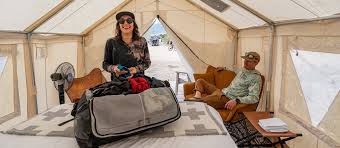
Heading out for a week of camping is exhilarating. The crisp morning air, the smell of pine, the sound of water trickling over rocks—it’s a kind of therapy you can’t buy.
But then reality hits: what on earth should you pack to survive seven days in the wild without turning your back on comfort?
You want adventure, but not the kind where you regret leaving your favorite jacket at home or worse, running out of power when you need it most.
So, what exactly goes into a week-long camping packing list that’s thorough but not ridiculous?
Shelter and Sleep Essentials
A quality tent that resists rain and wind is non-negotiable. Honestly, some tents feel like little glass houses—they’re spacious, but heavier than a toddler’s stroller.
If you’re trekking far from your vehicle, balance space with weight. Then there’s the sleeping bag situation.
Synthetic insulation is forgiving in damp conditions, whereas down is lighter and more compressible but less forgiving if it gets wet.
A sleeping pad may seem like a luxury, but after a few nights of camping on rocky terrain, you’ll thank yourself for that thin foam barrier.
Don’t forget a small pillow or even a stuff sack stuffed with clothes can double up—it’s little hacks like these that make a week-long trip bearable.
Clothing
Mornings can be frostbitingly cold, afternoons scorch, and evenings damp. Base layers made from merino wool or moisture-wicking synthetics are lifesavers.
Pants with zip-off legs, convertible jackets, and even a quick-dry swimsuit can seem like overkill until you find yourself in an unexpected river crossing or sudden rainstorm.
And yes, bring socks, lots of socks; blisters are vacation killers. Footwear matters too: a sturdy pair of waterproof boots and a backup pair of lighter shoes for trailside lounging.
Food
Freeze-dried meals are convenient, lightweight, and surprisingly tasty—but supplement them with fresh fruits, nuts, and pre-cooked grains if you can.
Think about breakfast versatility: oatmeal, instant coffee, maybe a granola bar or two. Lunches can be wraps, nut butter, and trail mix.
Dinners? Consider meals that cook in one pot or skillet to minimize gear. Don’t forget small condiments—olive oil, salt, spices.
Hydration is equally important. Carry enough water and know where you can filter or treat natural sources. You don’t want to waste precious energy trekking miles for water because you underestimated your needs.
Tools and Survival Necessities
A lightweight, high-quality knife, a compact multi-tool, and a headlamp with extra batteries will get more use than half the fancy gadgets you’re tempted to bring.
Maps, compass, or GPS—never fully rely on your phone, though having a device handy is great for emergencies or quick reference. Weather apps are helpful, but offline backups are golden.
And for those who enjoy a hint of comfort or work while away, keeping your electronics alive can be tricky. That’s where ALLPOWERS power stations come into play—if you’ve ever lost power at the worst moment, you’ll understand why a little foresight here is huge.
Safety Essentials
Soap, toothbrushes, a quick-dry towel, and biodegradable wipes are lifesavers. Sunscreen and bug spray should be considered basic human rights.
Carry a first aid kit that covers blisters, minor cuts, and common ailments. Painkillers, antihistamines, and personal medications are essential.
Hand sanitizer isn’t just for germs—it’s peace of mind. And while it may feel over-cautious, a whistle and basic signaling device could literally make a difference if you wander off trail.
Entertainment
Books, a journal, playing cards, or a small guitar can make evenings magical.
A hammock strung between two sturdy trees invites reflection, and maybe a bit of photography if you’re into capturing the quiet majesty of the forest.
Some people bring camp chairs—comfort over minimalism, right? But here’s the thing: small touches that make life pleasant won’t weigh you down if chosen wisely.
Wrapping It All Up
Planning a week-long camping trip might seem like an exhaustive puzzle at first glance, but with thoughtful preparation, you can create a balance between comfort, safety, and adventure.
Pack clothing in layers, invest in a reliable shelter, plan versatile meals, and don’t underestimate tools and lighting. To ensure your devices and essential tools remain functional, integrate a power station into your kit.
Keep devices charged in a subtle way, maintain hygiene, and anticipate weather swings. And above all, carry a mindset that embraces the unpredictability of nature.
