

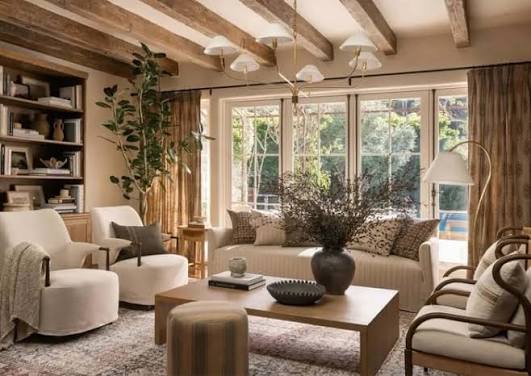
Modern cottage design merges rustic architectural charm with minimalist interior sensibilities, offering homeowner warmth without visual clutter. Achieving a careful balance between organic textures and sophisticated modern finishes is essential to perfecting this style. By pairing natural materials like aged wood and unpolished stone with clean spatial layouts and tailored textiles, you create a living space that feels grounded, welcoming, and enduringly stylish.
Establishing an Organic Color Palette Driven by Nature
A successful modern cottage interior relies on a restrained palette derived directly from natural landscapes. Muted earth tones establish a calming baseline that permits architectural features and textured accents to take center stage. Soft off-whites, warm taupes, sage greens, and gentle slate grays replace stark bright whites, lending immediate depth to living rooms and bedrooms.
Applying monochromatic color schemes across walls, trim, and cabinetry unifies smaller rooms while exaggerating ceiling height. Layering tonal shades creates subtle contrast without breaking the continuous flow of light throughout the home.
Integrating Exposed Structural Elements and Natural Timbers
Raw architectural components provide the structural soul of modern cottage design. Architectural features that reflect craftsmanship add instant character, grounding contemporary furniture pieces within a historical frame.
Exposed ceiling beams, floorboards crafted from wide-plank oak, and reclaimed wood mantels serve as primary focal points. Leaving structural timbers unfinished or treating them with matte oils highlights natural grain patterns, knots, and subtle imperfections. These organic surfaces soften straight-edged contemporary sofas and minimalist metal light fixtures, striking an ideal equilibrium between old and new.
Designing Functional Kitchens with Classic Detail
Cottage kitchens act as the operational heart of the home, demanding layout efficiency alongside inviting visual warmth. Modern interpretations pair classic millwork with streamlined appliances to keep the space practical for everyday cooking.
Deep apron-front sinks, shaker-style cabinet fronts, and tactile stone countertops like soapstone or honed marble define the space. Replacing upper cabinetry with open wooden shelving opens sightlines and displays everyday stoneware, glass storage jars, and cookbooks. Integrated paneling conceals bulky modern refrigeration units, preserving a continuous, traditional appearance across main walls.
Layering Textiles for Tactile Warmth and Physical Comfort
Comfort in a modern cottage comes from generous, touchable layering rather than formal ornamentation. Selecting natural fabrics ensures furnishings look effortless and age gracefully over years of daily use.
Slipcovered sofas upholstered in neutral linen, chunky wool throw blankets, and woven jute floor coverings add physical warmth without overwhelming the room’s visual weight. Mixing simple geometric patterns with subtle floral or grain-sack stripes keeps the upholstery dynamic while maintaining a relaxed atmosphere. Window treatments should remain light and simple, utilizing sheer linen drapes to soften incoming sunlight.
Maximizing Natural Light and Connecting Indoor Spaces to Gardens
Flooding interior spaces with natural sunlight highlights surface textures and maintains a clear connection to surrounding outdoor scenery. Expanding window openings or installing thin-profile steel-framed doors transforms traditional cottage interiors from dim or claustrophobic into bright, airy sanctuaries.
Framing garden views like living art pieces reduces the need for heavy wall decor. Simple window trims painted in matching wall colors allow the eye to move smoothly from interior seating areas straight into the surrounding yard or patio. Position reading chairs, dining tables, and kitchen workstations near glass openings to make the most of changing daytime light.
Curating Vintage Accents and Antique Collectibles
A modern cottage should feel thoughtfully assembled over time rather than styled straight from a store catalog. Integrating vintage items adds personality, ensuring your interior avoids feeling sterile or overly manufactured.
Pairing a contemporary dining table with weathered wooden chairs or placing an antique ceramic lamp on a sleek side table creates intriguing visual dialogue. Focus on functional antiques like stoneware crocks, woven baskets, brass candle holders, and hand-carved bowls. Displaying a few meaningful items keeps surfaces clutter-free while honoring historic craftsmanship.
Conclusion
Creating cottage holidays in St Ives requires an appreciation for natural materials, clean lines, and functional comfort. By balancing rustic architectural elements like exposed beams and stone surfaces with streamlined furniture and neutral color palettes, you build a space that feels both current and timeless. Focus on layering soft textiles, maximizing natural light, and incorporating curated vintage accents to craft a peaceful home environment that welcomes you every single day.
